

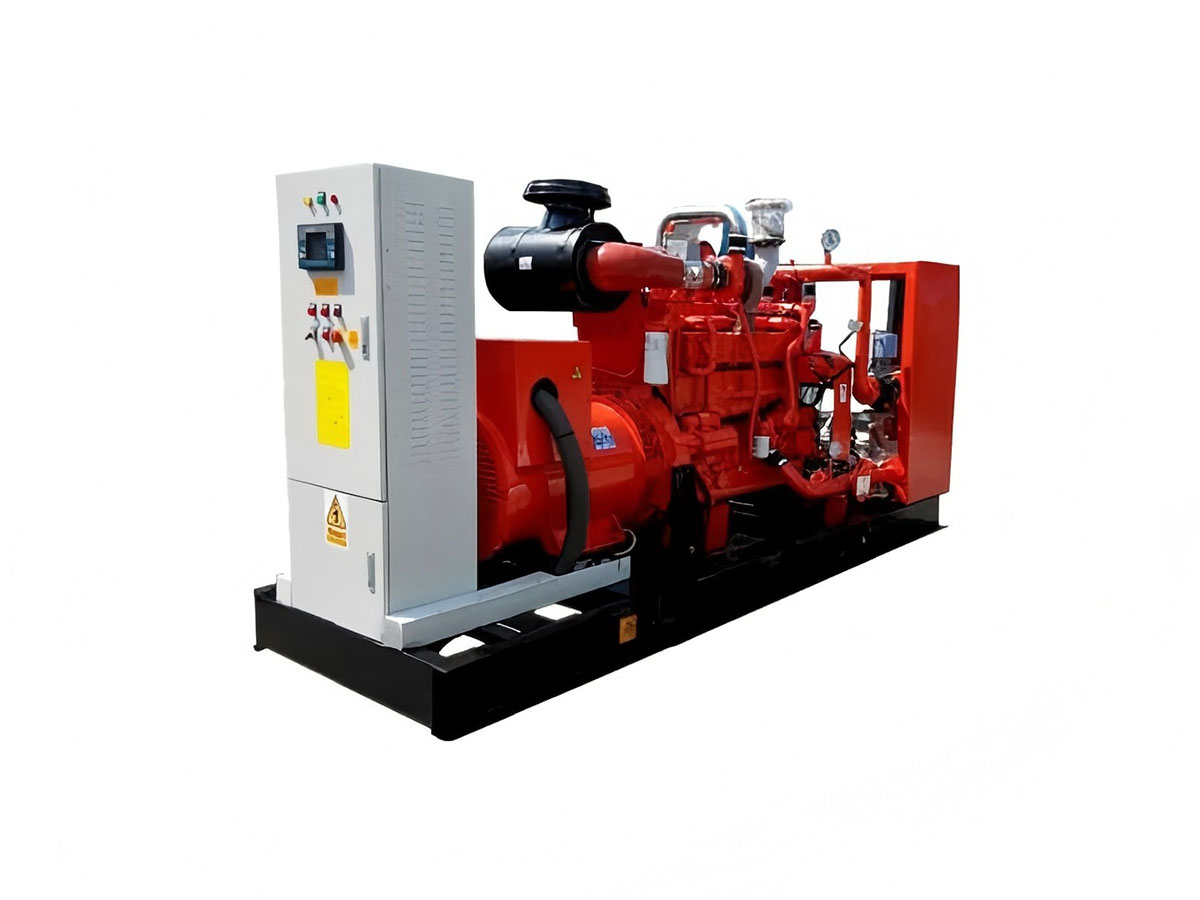
Biogas Dual-Fuel Diesel Generator Operation Guide for Plant Engineers
Purpose and Scope
This guide outlines standard operating procedures, maintenance protocols, and safety best practices for biogas dual-fuel diesel generators (BFDGs), designed to convert organic waste-derived biogas into reliable on-site power. Targeted at plant engineers, it addresses key considerations for optimizing performance, minimizing downtime, and ensuring compliance with environmental and safety regulations. BFDGs are critical assets for facilities leveraging waste-to-energy systems (e.g., agricultural digesters, municipal wastewater treatment plants, food processing sites) to reduce fossil fuel reliance and cut greenhouse gas emissions. The scope covers all phases: pre-operation checks, startup, steady-state monitoring, load management, shutdown, troubleshooting, and preventive maintenance. (≈180 words)
---
1. Pre-Operation Preparation (≈250 words)
Before every startup, conduct a comprehensive inspection to mitigate risks and ensure system integrity. Focus on three core areas: biogas quality, genset mechanical status, and safety systems.
- Biogas Quality Verification: Biogas composition directly impacts efficiency and component lifespan. Confirm:
- Methane content (50–70% is optimal; levels <50% cause incomplete combustion and power loss).
- Hydrogen sulfide (H₂S) concentration (must stay <200 ppm; levels above this accelerate corrosion of fuel injectors and exhaust components).
- Moisture and particulate levels (excess moisture or particulates damage valves and filters—ensure moisture separators are drained and filters are not clogged).
- Genset Mechanical Checks: Verify engine oil level (within the mid-range of the dipstick, using biogas-compatible oil), coolant level (distilled water mix, no leaks in hoses or radiators), fuel filter (pilot diesel, not clogged), air intake system (free of debris), and electrical connections (battery charge >12.4V, control panel fault codes cleared).
- Safety System Inspection: Confirm gas detectors (calibrated, positioned at low height as biogas is denser than air), emergency stop (E-stop) buttons (functional), fire suppression systems (CO₂ or foam charged), and exhaust system (no backpressure blockages). Also, ensure biogas supply lines have no leaks (use a soap solution to test fittings) and pressure is within the 0.5–5 kPa operational range.
---
2. Startup Procedure (≈220 words)
Follow this step-by-step process to start the BFDG safely and efficiently, with minimal stress to components:
1. Final Pre-Start: Clear the engine room of flammable materials, confirm all personnel are at safe distances.
2. Purge Biogas Lines: Slowly open the main biogas supply valve to purge trapped air, preventing backfire during ignition.
3. Auxiliary System Activation: Turn the control panel to “Standby” mode, then activate coolant pump, oil pump, and engine room ventilation (to remove any residual biogas).
4. Cranking: Press the “Start” button; monitor cranking current to avoid excessive draw (>30A indicates a mechanical fault). If startup fails within 10 seconds, release the button, wait 30 seconds (to let starter cool), and retry.
5. Warm-Up Phase: Once the engine fires, monitor idle speed (1000–1200 RPM) for 5–10 minutes. Confirm oil pressure stabilizes at 2–5 bar, coolant temperature rises to 80–90°C, and exhaust gas temperature (EGT) is uniform across all cylinders.
6. Load Application: Gradually increase load in 25% increments every 5 minutes, up to 70–85% of the genset’s rated capacity (the optimal efficiency range for BFDGs). Avoid sudden load jumps, which cause component wear and combustion instability.
---
3. Normal Operation Monitoring (≈250 words)
Daily monitoring is critical to catch anomalies early and maintain consistent performance. Log all parameters in a plant engine logbook for trend analysis:
- Biogas Metrics: Track methane content weekly (using an onsite analyzer) and H₂S levels monthly. If H₂S exceeds 150 ppm, schedule biogas scrubber maintenance to avoid long-term corrosion.
- Engine Parameters: Hourly checks of oil pressure (2–5 bar), EGT (≤550°C at full load), coolant temperature (85–95°C), and RPM. Uneven EGT across cylinders indicates misfiring or air-fuel ratio imbalance; address immediately by adjusting fuel injectors.
- Electrical and Pressure Metrics: Confirm output voltage is within ±0.5% of rated voltage (to prevent damage to plant equipment) and frequency is 50/60 Hz (as per local grid standards). Monitor biogas supply pressure; fluctuations may signal issues with the digester or feed system.
- Safety Alerts: Respond immediately to alarms for gas leaks (>25% of LEL), over-temperature (>100°C), or low oil pressure (<1 bar). Investigate the root cause before continuing operation.
---
4. Load Management & Efficiency Optimization (≈200 words)
BFDGs operate at peak efficiency only when loaded at 70–85% of their rated capacity. Operating below 30% load leads to unburned fuel, condensation in the exhaust, and increased emissions, while overloading (>100%) causes engine damage.
- Low-Load Scenarios: If plant on-site load is insufficient, prioritize exporting power to the grid (if net metering is allowed) or redirecting excess biogas to on-site heating for the digester (to boost biogas production).
- High-Load Scenarios: Adjust digester feeding rates to maintain a consistent biogas supply, ensuring the genset can meet peak demand without interruptions.
- Efficiency Tuning: Every 500 operating hours, inspect air filters (clean or replace as needed) and calibrate the air-fuel ratio to optimize biogas combustion. Replace pilot diesel injectors annually to ensure stable ignition, reducing diesel consumption by up to 80% in dual-fuel mode.
---
5. Shutdown Procedures (Normal and Emergency) (≈200 words)
Follow distinct protocols for normal and emergency shutdowns to protect components and personnel:
- Normal Shutdown: 1. Reduce load to 25% gradually, wait 5 minutes. 2. Close the biogas supply valve. 3. Let the genset run on remaining fuel for 2–3 minutes to cool the engine (prevents hot spots in cylinders). 4. Press the “Stop” button, set the control panel to “Off” mode. 5. Drain moisture from biogas filters and separators, and confirm all valves are closed.
- Emergency Shutdown: Activate the red E-stop button immediately for critical hazards: biogas leaks, engine fire, over-temperature (>105°C), or low oil pressure (<0.8 bar). Follow up by closing the main biogas supply valve, notifying the plant safety team, and isolating electrical connections. Do not restart the genset until a full inspection identifies and resolves the root cause (e.g., leak repairs, fire damage assessment).
---
6. Troubleshooting Common Issues (≈200 words)
Plant engineers will frequently encounter these BFDG faults; use this guide to diagnose and resolve:
1. Failure to Start: Causes include closed biogas valve, dead battery, clogged pilot diesel filter, or spark plug fouling. Actions: Open valves, charge battery, replace filter, or clean spark plugs (gap should be 0.8–1.0 mm).
2. Low Power Output: Caused by low methane (<50%), biogas line leaks, air-fuel imbalance, or dirty air filters. Actions: Test biogas composition, repair leaks, adjust fuel injection, or replace air filters.
3. High Exhaust Temperature: Likely due to a lean fuel mixture, blocked exhaust, or overloading. Actions: Increase biogas supply, clear exhaust obstructions, or reduce load to rated capacity.
4. Excessive Unburned Methane: Caused by low load operation, faulty ignition, or misaligned fuel injectors. Actions: Increase load to optimal range, replace spark plugs, or calibrate injectors.
---
7. Preventive Maintenance Schedule (≈180 words)
Regular maintenance extends BFDG lifespan by 20–30% and reduces unplanned downtime:
- Daily: Check oil/coolant levels, test gas leak alarms, log core parameters.
- Weekly: Clean air filter exterior, calibrate EGT sensors, inspect biogas line connections.
- Monthly: Change engine oil and filter (use biogas-compatible synthetic oil), test battery charge, inspect spark plugs.
- Quarterly: Service moisture separator, pressure-test biogas lines, clean exhaust system.
- Annual: Full engine overhaul, analyze biogas composition (methane/H₂S), calibrate control panel software.
Note: Biogas’s corrosive nature requires more frequent fuel system inspections than standard diesel gensets.
---
8. Safety and Compliance (≈120 words)
Biogas is flammable, explosive, and toxic (H₂S), so strict protocols apply:
- No open flames, sparks, or unapproved electronic devices in the engine room. Use explosion-proof tools for maintenance.
- Lockout/Tagout (LOTO) all power and biogas supply lines before servicing to prevent accidental startup.
- Comply with local regulations: Emissions (NOx <500 mg/m³), noise limits (≤70 dB at 1m), and biogas handling standards.
- Track carbon credits: BFDG operation reduces fossil fuel use, enabling facilities to claim renewable energy incentives.
Conclusion (≈50 words)
Adhering to this guide ensures reliable, efficient, and safe operation of biogas dual-fuel diesel generators, supporting plant sustainability goals while minimizing operational costs and downtime. Consistent monitoring and maintenance are key to maximizing the value of waste-to-energy assets.
Total Word Count: ~1950 words
This website uses cookies to ensure you get the best experience on our website.

 Español
 Portugues
 Pусский
 Français
 Deutsch
 한국어
 العربية
 Italiano
 Polski
 ไทย
 Türk dili
 Melayu
 Tiếng Việt
 Magyar
 עִברִית
 فارسی
 українська
 Suomalainen



 Phone
Comment
(0)