

Selecting the right generator is like choosing the heart for your operation. The fuel type you decide on-diesel or gas-is one of the most critical choices you'll make. This decision directly influences everything from initial investment and long-term operating costs to your environmental footprint. So, which generator is better for your specific needs? This in-depth Generator Comparison will break down the pros and cons of both, empowering you to make a confident and informed choice for your business.
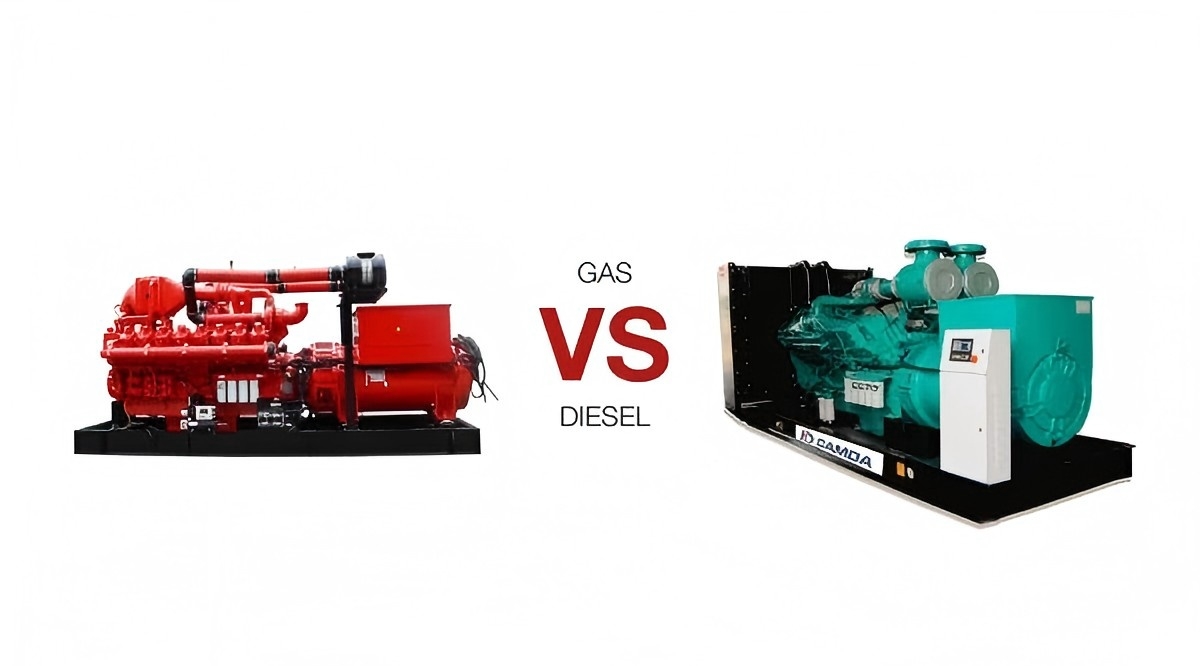
For decades, the Diesel Generator has been the industry standard for robust and reliable power. At camda, our diesel gensets, powered by world-renowned engines like Cummins and Perkins, are engineered for performance. Let's explore why they remain a top choice for many industries.
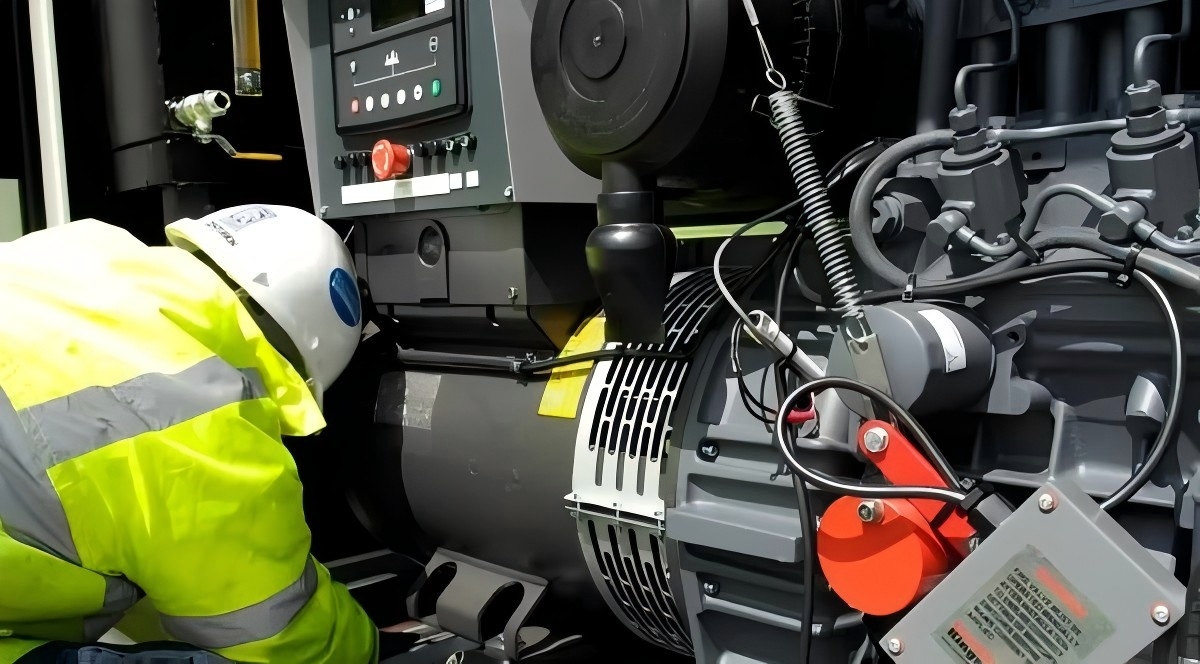
Higher Power Output and Fuel Efficiency One of the primary advantages of a diesel engine is its superior power output. Diesel fuel has a higher energy density than natural gas, meaning you get more power from every drop. This translates to better fuel efficiency, especially under heavy loads. For example, our KDGC360S Cummins model demonstrates excellent performance with predictable fuel consumption, making it a powerful and economical choice for demanding applications.
Durability and Longer Lifespan Diesel engines are built to last. Their robust construction, often featuring heavy-duty, 4-stroke water-cooled designs, gives them exceptional durability. They are designed to handle heavy loads and harsh conditions, resulting in a significantly longer lifespan compared to many other engine types. This resilience makes them a reliable long-term investment.
Fuel Availability and Storage Diesel fuel is readily available almost anywhere in the world. This makes it the ideal choice for projects in remote locations, such as construction sites or mining operations, where a natural gas pipeline is not an option. Furthermore, diesel can be safely stored on-site in tanks, ensuring you have a ready supply of fuel for your industrial generator whenever you need it.
The Gas Generator is rapidly gaining popularity as a cleaner and often more economical alternative. Leveraging fuels like natural gas, biogas, and LPG, these units offer a unique set of benefits, making them perfect for modern, environmentally-conscious operations.
Lower Emissions and Environmental Benefits Gas generators produce significantly lower emissions of nitrogen oxides (NOx), sulfur oxides (SOx), and particulate matter compared to diesel units. This helps businesses meet stringent environmental regulations, like Tier 3 emission standards, and reduces their carbon footprint. For projects focused on sustainability, such as a biogas generator for farm use, this is a key advantage.
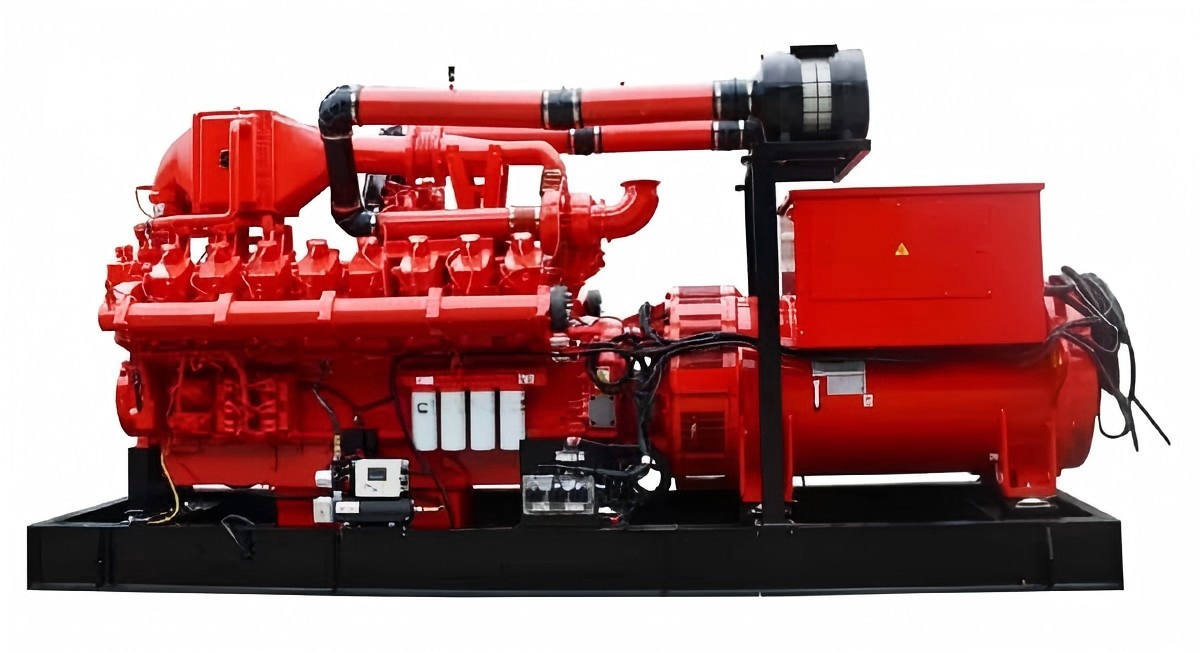
Reduced Noise Levels Generally, gas engines operate with less vibration and lower noise levels than their diesel counterparts. The combustion process is smoother, resulting in a quieter operational environment. This makes gas generators an excellent choice for noise-sensitive locations like hospitals, residential areas, or high-end office buildings.
Fuel Cost Savings and Supply Stability For facilities with access to a natural gas pipeline, the fuel cost can be substantially lower than diesel. A continuous and stable fuel supply eliminates the need for on-site fuel storage and transportation logistics. This predictable supply chain simplifies operations and can lead to significant long-term savings, a crucial part of our comprehensive power solutions.
So, what are the pros and cons and how do you decide? Your choice should be based on a careful evaluation of your project's specific requirements. Here are the key factors to consider in your Generator Comparison.
Initial Investment vs. Long-Term Operating Costs Typically, a Diesel Generator has a lower initial purchase price. However, the long-term investment picture can change when you factor in fuel and maintenance costs. A Gas Generator may have a higher upfront cost but can offer lower operating costs over its lifespan, especially with low-priced natural gas.
Fuel Source Accessibility This is often the deciding factor. Do you have a reliable natural gas pipeline nearby? Or is your project in a remote area where diesel is the only viable fuel source? Your fuel accessibility will heavily influence the right choice for you.
Maintenance Requirements Both types of generators require regular maintenance, but their needs differ. Diesel engines may require more frequent oil changes and filter replacements. Gas engines, while having longer service intervals, may have more complex ignition systems that require specialized attention.
Application and Load Type Consider your application. Diesel generators excel at handling high-torque, variable loads, making them ideal for starting large motors in industrial settings. Gas generators perform exceptionally well under consistent, stable loads, making them perfect for continuous power applications or CHP systems.
| Feature | Diesel Generator | Gas Generator |
|---|---|---|
| Power Density | High | Moderate |
| Fuel Efficiency | Excellent, especially under load | Good, especially at stable load |
| Emissions | Higher | Lower |
| Noise Level | Higher | Lower |
| Initial Cost | Lower | Higher |
| Fuel Cost | Variable, often higher | Stable & often lower (pipeline) |
| Fuel Storage | On-site tank required | Pipeline supply (no storage) |
| Best Application | Heavy-duty, variable loads | Stable loads, low emissions |
Ultimately, there is no single "best" generator-only the one that is best for you. If your priority is raw power, durability, and operational flexibility in any location, a Diesel Generator is an outstanding choice. If you have access to a stable gas supply and your goals include lower emissions and long-term cost savings, a Gas Generator is the modern, efficient solution. The right decision depends on a balanced assessment of your needs. Our team at Camda specializes in creating tailored power solutions to match your unique operational requirements.
Q1: Are gas generators as reliable as diesel generators? Yes, modern gas generators, especially those built with high-quality engines and components like the ones we use at Camda, offer excellent reliability. While diesel engines have a long-standing reputation for durability, gas engines are engineered for long service life in continuous duty applications, making them equally dependable when properly maintained.
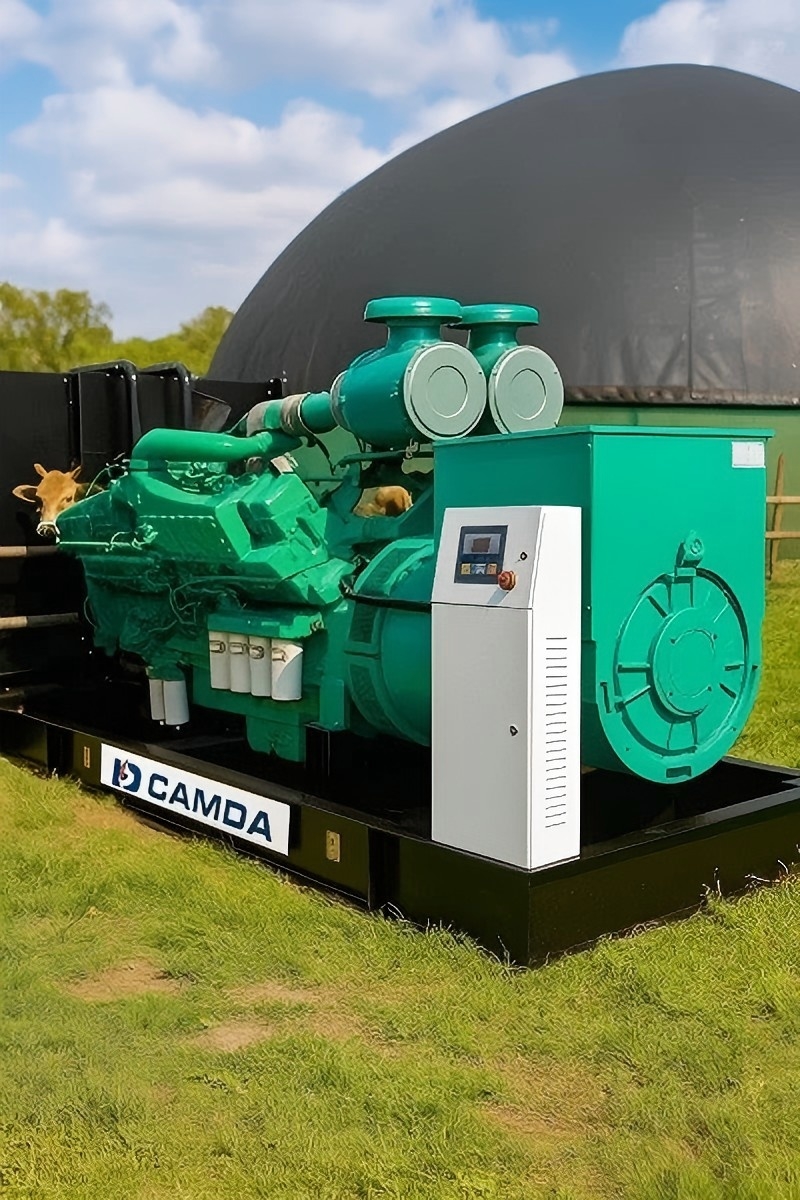
Q2: Can I run a gas generator on biogas from my farm? Absolutely. This is one of the most exciting applications for gas generators. Our biogas generator models are specifically designed to run on fuel produced from agricultural waste. This "waste-to-energy" approach not only provides power but also creates a new revenue stream and solves a waste management problem.
Q3: Which type of generator has a longer lifespan? Which type has a longer lifespan often depends more on the quality of the engine, the load profile, and the maintenance schedule than on the fuel type itself. A well-maintained, high-quality diesel engine used for standby power can last for decades. Similarly, a gas engine running in a stable CHP application can achieve an overhaul cycle of 18,000-25,000 hours. For a personalized lifespan projection, it's best to consult with our experts.
This website uses cookies to ensure you get the best experience on our website.

 Español
 Portugues
 Pусский
 Français
 Deutsch
 한국어
 العربية
 Italiano
 Polski
 ไทย
 Türk dili
 Melayu
 Tiếng Việt
 Magyar
 עִברִית
 فارسی
 українська
 Suomalainen



 Phone
Comment
(0)