

Decoding Generator Power Ratings: Your Essential Guide to Choosing the Right Genset
Choosing a generator can feel overwhelming. You know you need reliable power, but the technical jargon can be confusing. What are generator power ratings, and how do you select the correct one for your project? Understanding the difference between Standby, Prime, and Continuous power is the first and most crucial step. This decision impacts your equipment's lifespan, operational costs, and overall reliability. Getting it right ensures your investment is sound. For expert guidance tailored to your specific needs, explore our Power Solutions.
Generator power ratings are standardized levels of power output defined by manufacturers. These ratings are not arbitrary; they are based on rigorous testing of the engine and alternator under specific conditions. Think of them as the official operating instructions for your Generator Set. Choosing the wrong rating can lead to two major problems: either you overspend on a unit far more powerful than you need, or you risk premature engine failure by consistently overworking a generator not designed for the task. This makes understanding these ratings essential for any project manager or business owner.
What is a Standby Power Rating? A Standby Power generator is your ultimate insurance policy against grid failure. As defined for our gensets, it is the power available when a main power network fails. It's designed for emergency use, running for a limited number of hours per year-typically up to 500 hours. A key feature of a standby unit is that overload is not permitted. Its purpose is to keep your critical operations running during unexpected outages. This makes it an ideal emergency lifeline.
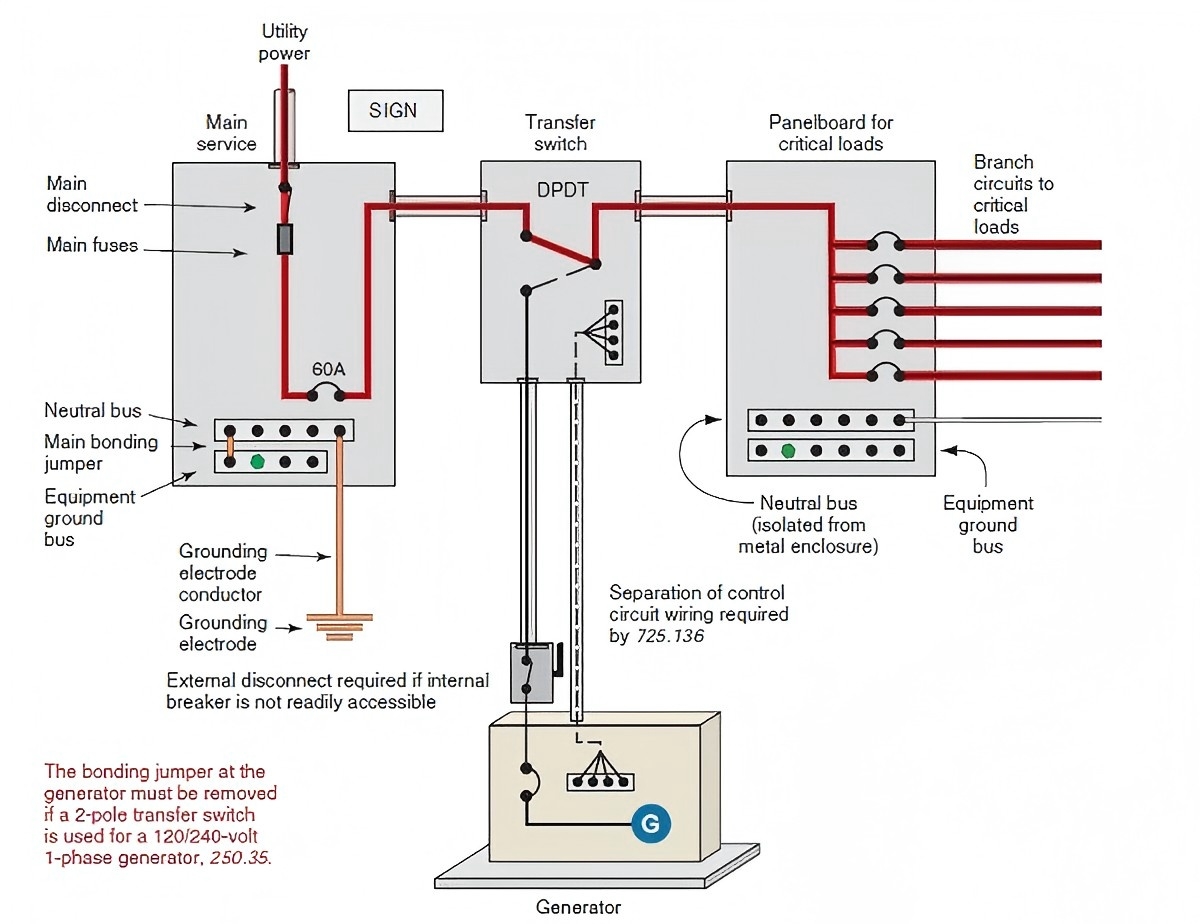
Ideal Applications for Standby Generator Sets You will find standby generators in places where a power outage is not just an inconvenience but a critical risk. These include:
Hospitals and healthcare facilities
Data centers
Commercial buildings like hotels and offices
Residential backup power systems
Key Limitations and Considerations The primary limitation is its restricted run time. It is not designed for continuous operation or to be the main source of power. Using a standby generator as a primary power source will void its warranty and lead to rapid wear and tear. It's built for the sprint, not the marathon.
Defining the Prime Power Rating When you need a reliable, main source of electricity, you turn to a Prime Power generator. This rating defines the power available at a variable load in lieu of a main power network. Unlike a standby unit, a prime power generator is built for extensive, long-term use. It is truly the workhorse for your daily needs. When you consider a prime power generator, it's a core component of your long-term Power Solutions.
When to Choose a Prime Power Generator These generators are perfect for applications where utility power is unavailable, unreliable, or too expensive. Common scenarios include:
Remote mining and construction sites
Agricultural and farming operations
Industrial manufacturing plants running their own power
Events and temporary power needs

Understanding the 10% Overload Capability A significant advantage of a prime power unit is its overload capability. Our specifications state that an overload of 10% is allowed for one hour in every twelve hours of operation. This feature provides a crucial buffer for handling temporary load spikes, such as starting large motors, without compromising the generator's stability or health.
The Role of a Continuous Power Generator For the most demanding jobs, there is Continuous Power. This rating is for applications that require a generator to run at a consistent, 100% load for an unlimited number of hours. There is no overload capacity because it is already operating at its peak sustainable output. This type of Generator Set is designed for critical loads that cannot afford any interruption.
Industries That Rely on Continuous Power Continuous power generators are less common but vital for specific industries. These include:
Utility power plants for grid support
Wastewater treatment facilities
Large-scale data processing centers
Continuous manufacturing processes
How It Differs from Prime Power So, how it differs from prime power? The main distinction is the load profile and run time. Prime power is designed for variable loads and has an overload buffer, while continuous power is for a consistent full load with no time limit. Think of prime power as a versatile truck and continuous power as a train on a dedicated track.
To make it easier, here's a simple comparison table:
| Feature | Standby Power | Prime Power | Continuous Power |
|---|---|---|---|
| Primary Use | Emergency Backup | Main Power Source | Non-stop Full Load |
| Annual Run Time | Limited (e.g., <500 hrs) | Unlimited | Unlimited |
| Load Type | Variable | Variable | Consistent |
| Overload Capacity | None | 10% for 1 hr/12 hrs | None |
| Typical Application | Hospitals, Data Centers | Mining, Construction | Utilities, Grid Support |
Selecting the correct power rating is fundamental to a successful project. Standby power provides a reliable safety net, prime power delivers a robust daily energy supply, and continuous power handles the most critical, non-stop loads. Each has its specific purpose and design. Making the right power choice saves you money and ensures long-term reliability. At Camda, we have over 20 years of experience as a leading generator manufacturer, helping clients find the perfect fit.
Can I use a standby generator for continuous power? No, this is strongly discouraged. A standby generator is not built for continuous use. Doing so will cause overheating, rapid component wear, and will likely void the warranty. It's designed for short-term emergency power only.
What happens if I overload a prime power generator for too long? While a prime power generator can handle a 10% overload for one hour every twelve hours, exceeding this limit can be harmful. Sustained overload can lead to engine damage, reduced efficiency, and potential system failure. It's crucial to respect the specified overload capability.
How does Camda determine the right power rating for my project? Our process is thorough. We start by analyzing your total load requirements, including the types of equipment you'll be powering and potential load spikes. We then discuss your operational needs-whether you need backup or primary power-and consider your site's environmental conditions. Based on this comprehensive assessment, we recommend a Generator Set with the appropriate rating to ensure optimal performance and reliability.
This website uses cookies to ensure you get the best experience on our website.

 Español
 Portugues
 Pусский
 Français
 Deutsch
 한국어
 العربية
 Italiano
 Polski
 ไทย
 Türk dili
 Melayu
 Tiếng Việt
 Magyar
 עִברִית
 فارسی
 українська
 Suomalainen



 Phone
Comment
(0)