

When selecting a generator, you'll see two key units: kVA and kW. What is the difference between kVA and kW, and why does it matter for your project? Misunderstanding these terms is one of the most common mistakes in generator sizing, leading to either oversized, costly equipment or an undersized generator that fails under load. This guide will clear up the confusion, explain the crucial role of power factor, and empower you to make precise calculations. For complex projects, you can always rely on our expert power solutions.
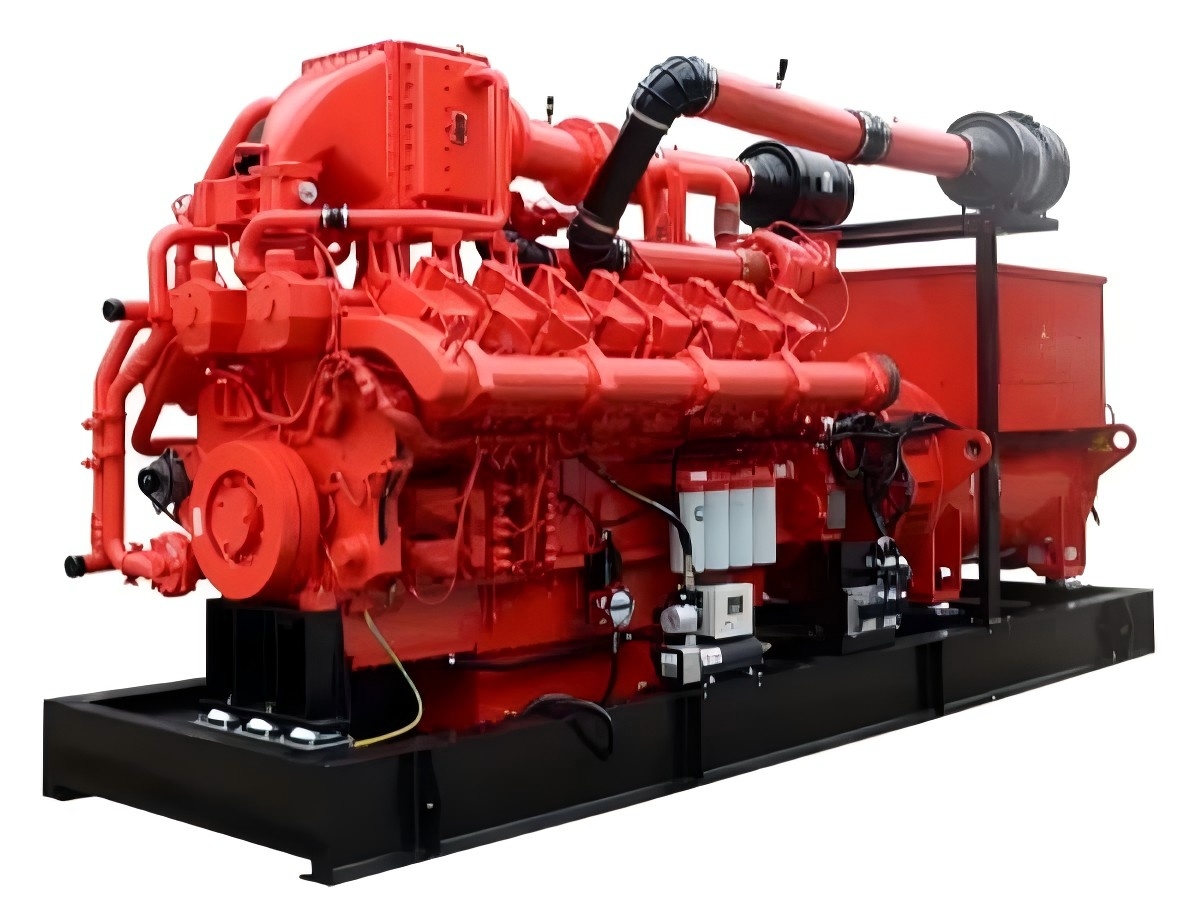
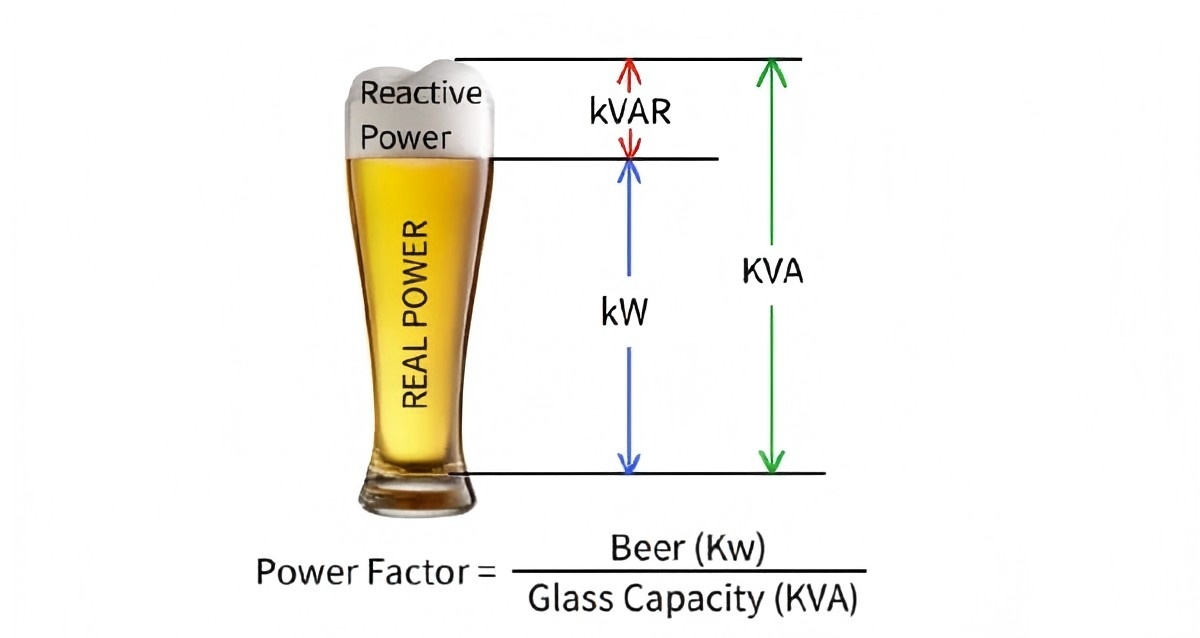
First, let's talk about kilowatts (kW). Think of kW as "real power" or "working power." It is the actual amount of power that performs useful work, like lighting up a bulb, running a motor, or powering a computer. What is kW in simple terms? Imagine a glass of beer: the kW is the beer itself-the part that actually quenches your thirst.
Defining Active Power In technical terms, kW is known as active power. It is the energy that is converted into a useful output. When you look at the power requirements of your equipment, you are typically looking for the kW value. This represents the real electrical demand your machinery places on the generator.
How to Find the kW Rating on Your Equipment To correctly size a generator, you need to sum up the kW requirements of all the equipment you plan to run simultaneously. You can usually find the equipment rating in kilowatts (kW) or watts (W) on the nameplate of each device. Remember, 1 kW equals 1000 W.
Now, let's address kVA, or kilovolt-amperes. What is kVA in a generator? It represents the "apparent power," which is the total power supplied by the generator. Going back to our beer analogy, if kW is the beer, then kVA is the entire content of the glass-the beer plus the foam. The foam doesn't quench your thirst, but it takes up space in the glass.
Understanding Apparent Power Apparent power (kVA) is the combination of active power (kW) and reactive power (kVAR). Reactive power doesn't do useful work but is necessary to create and sustain the magnetic fields required by inductive loads like motors and transformers. A generator must be large enough to supply both.
Why Generators Are Rated in kVA As a generator manufacturer, we rate our generators in kVA because we don't know the exact nature of the load you will connect. The electrical efficiency (or power factor) of your equipment determines how much of the apparent power (kVA) is converted into useful active power (kW). Therefore, rating in kVA gives a true measure of the generator's total output capacity.
The bridge between kW and kVA is the power factor (PF). What is power factor? It's a measure of how efficiently electrical power is being used. It is a ratio, expressed as a number between 0 and 1. In our beer analogy, the power factor is the ratio of beer to the total volume of the glass (beer + foam). A higher power factor means higher efficiency.
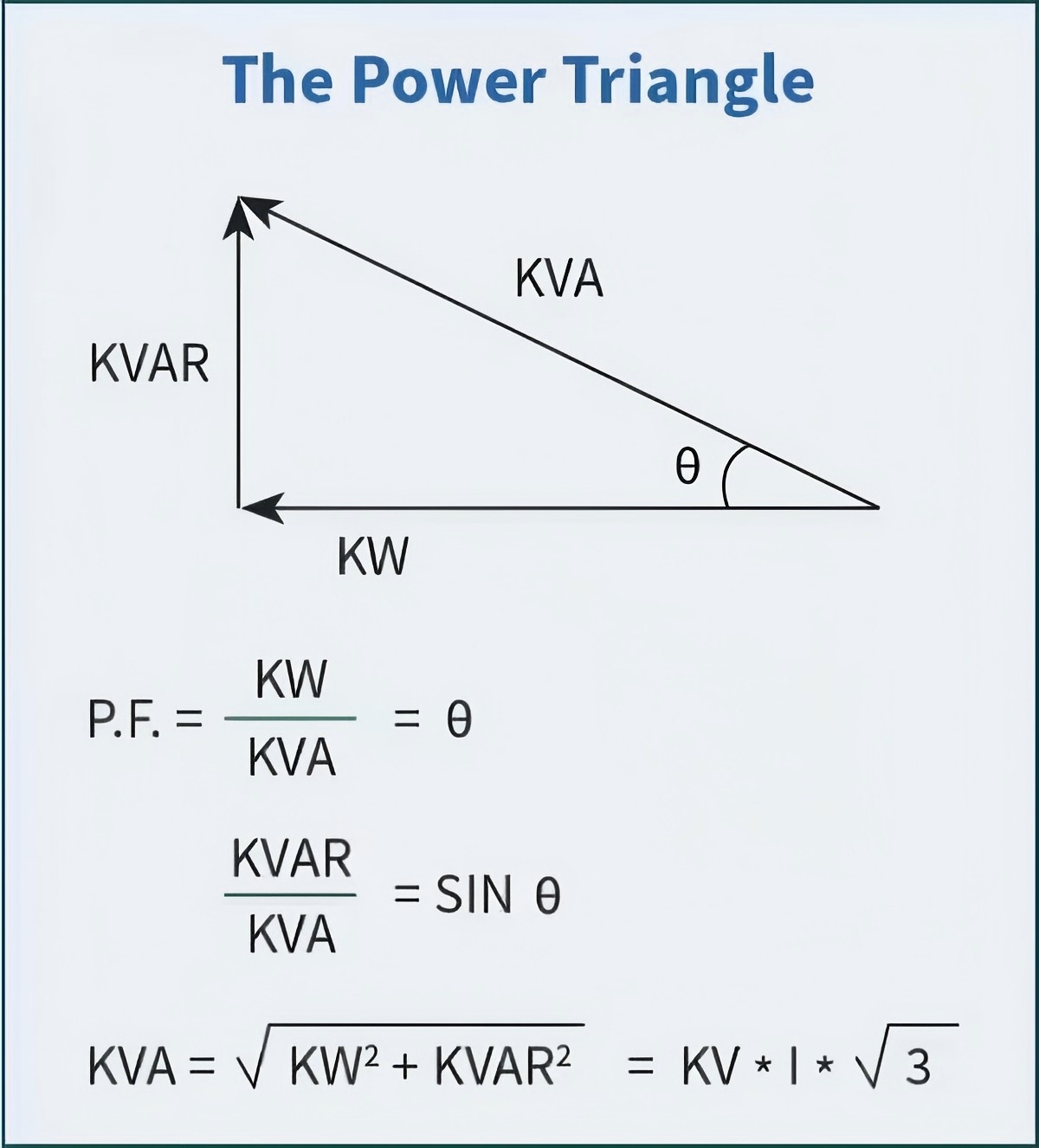
The Relationship Between kW, kVA, and Power Factor The relationship is defined by a simple formula, which is crucial for all generator ratings: kW = kVA × Power Factor (PF) This formula shows that for a given kVA rating, the amount of useful power (kW) you get depends entirely on the power factor of your load.
Why 0.8 is the Industry Standard You will notice that many industrial generators, including those listed in our product specifications, have a rated power factor of 0.8. This is the industry standard because most industrial and commercial loads are inductive (like motors) and typically have a power factor around this value.
Knowing how to convert kVA to kW is essential for accurate generator sizing. Using the formula above, the process is straightforward. This simple step prevents major sizing mistakes.
A Simple Calculation Example Let's take one of our generators rated at 100 kVA. Assuming the industry standard power factor of 0.8, the calculation is: Useful Power (kW) = 100 kVA × 0.8 PF = 80 kW This means the 100 kVA generator can reliably supply 80 kW of real, working power. This is a perfect calculation example to keep in mind.
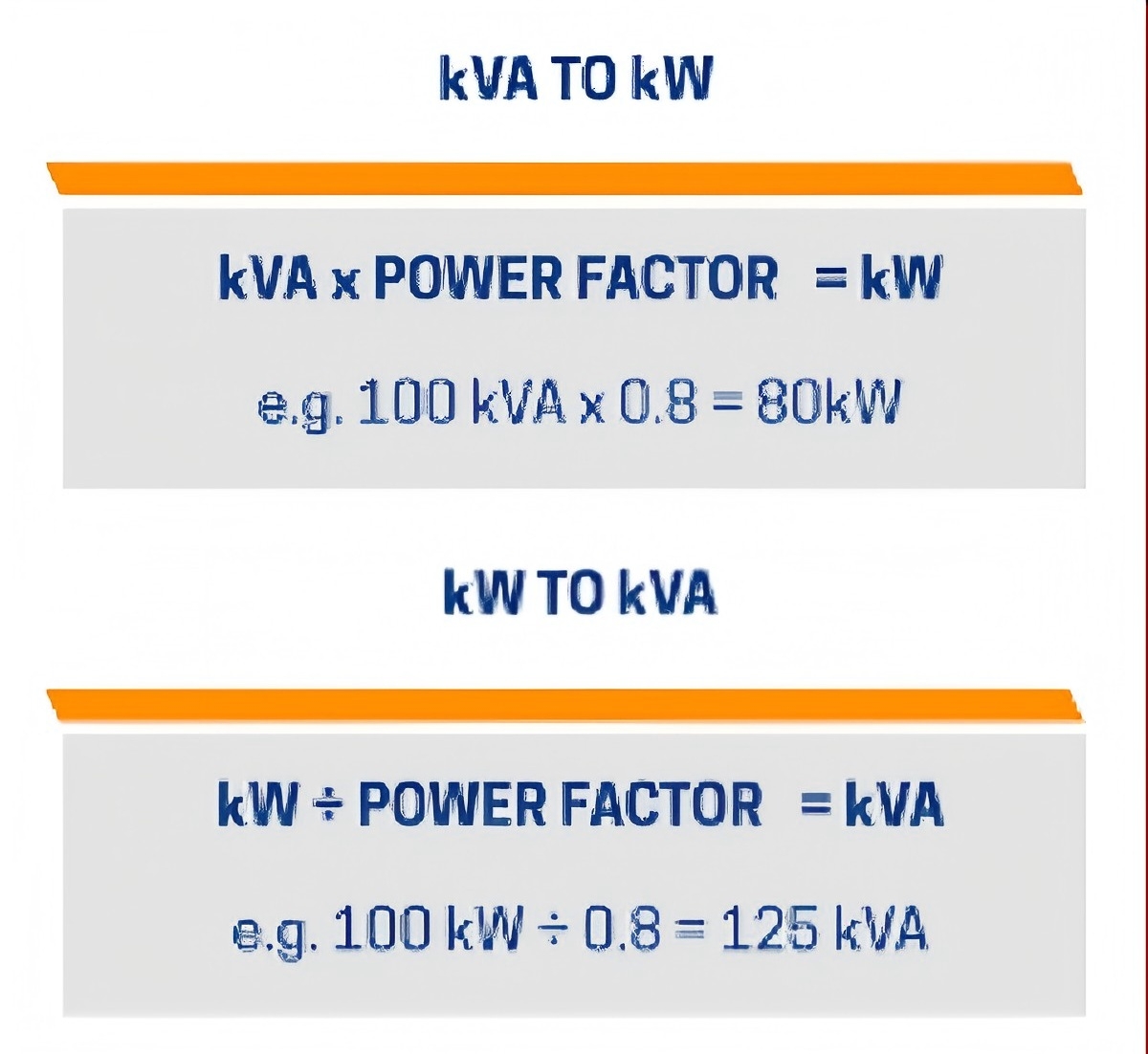
Avoiding Common Sizing Mistakes A common mistake is adding up all your equipment's kW needs and choosing a generator with a matching kVA number. As you can see from the example, this would leave you with an undersized generator. You must always account for the power factor to ensure your generator can handle the real power demand.
In the kVA vs kW debate, the key is to understand that they measure different things. kW is the useful power your equipment needs, while kVA is the total power the generator must supply. Power factor is the critical link between them. Accurate generator sizing isn't just about matching numbers; it's about understanding these fundamental principles to ensure you select a reliable and efficient power solutions for your needs.
Not necessarily. While a higher kVA rating means more total power capacity, it might be an unnecessary expense if your load is highly efficient (i.e., has a high power factor). The goal is to match the generator's capabilities to your actual load requirements. For expert advice, it's best to consult with our team.
If your load's power factor is higher than 0.8 (e.g., 0.95), you will be able to draw more useful power (kW) from the same kVA-rated generator. Conversely, if it is lower, you will get less kW. It's important to know your load's characteristics to size the generator correctly.
To do this, you first need to sum the total kW and kVAR of all your equipment. However, this can be complex. The simplest method is to sum the total kW and divide by your expected power factor (e.g., 0.8). For instance, if you need 160 kW of power: Required kVA = 160 kW / 0.8 PF = 200 kVA. You would then select a generator with a rating of 200 kVA or slightly higher.
This website uses cookies to ensure you get the best experience on our website.

 Español
 Portugues
 Pусский
 Français
 Deutsch
 한국어
 العربية
 Italiano
 Polski
 ไทย
 Türk dili
 Melayu
 Tiếng Việt
 Magyar
 עִברִית
 فارسی
 українська
 Suomalainen



 Phone
Comment
(0)