

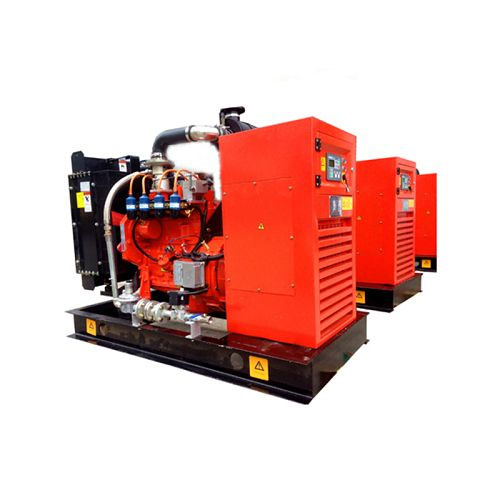
KDGH30-G 50HZ
Ratings
Rated Power kVA 37.5 kW 30 Voltage type 50Hz, 380V, 3 phases and 4 wires
Performance Data
Engine Brand & Model HG4B Alternator Brand & Model LSA42.3S5 Control System Deepsea DSE6120 Standard Noise Level@7m (Soundproof Sets) 75 dBA Circuit Breaker Type 3 Poles MCCB Frequency & Phase 50hz 3Phases + 4Wires Engine Speed (RPM) 1500 Fuel Consumption (Nm3/hr) 100% Load 11.09
* The above fuel consumption is calculate with the natural gas whose heat value is 35.8MJ/Nm3
Dimensions and Weights
Content Open type Soundproof Sets Dimensions: (mm) L 1800 2370 W 720 1100 H 1280 1650 Weights (kg) 910 1437
Engine Brand & Model: HG4B
Engine Data
No. of Cylinders 4 in-line Engine power(KW) 33 Cycle 4 Stroke Cylinder Type Dry Bore * Stroke (mm) 102 * 120 Compression Ratio 11.5:1 Induction Natural aspirated Displacement (L) 3.92 Cooling Method Water cooled Governing Type Electronic Starting method 24V DC motor Coolant capacity, including radiator (L) 24.79 Lubricant Oil 15W40-CF4 or above grade Oil pan capacity (L) 11
camda gas gen-sets, automatic/manual control system, electronic governor, automatic multifunction monitoring, automatic shut down protection.
Type of fuel: Natural gas, biogas, biomass gas, coal mine gas, etc.
Gas requirements for Camda Gas Generator Sets:
◇There shouldn't be free water of particles in the gas(The size of impurities in the gas mustt be smaller than 5um.).
◇The calorific value is equal or higher than 5000kcal/m3. If the calorific value is too low (lower than 5000kcal/m3), the power of genset will decrease.
◇Sulphur contents is lower than 250mg/m, the excessive sulphur in impurity gas should be removed. (Note: If the sulfur content is too high, it will damage engine components.)
Preperation of body protection:
During the genset operation, please take measures to protect your body, eyes, ears and respiratory system, etc. Please don’t stand around genset with loose clothes. If you have long hair, please tie it up and wear the cap to ensure the safety.
Exhaust gas:
Because the exhaust gas of explosive engine include some harmful gas, if someone inbreathe carelessly, it will cause injury and even death. So the engine must be installed exhaust pipe during installation to let the exhaust gas discharge to the outside of room. The design for genset room should be reasonable, to ensure the air movement from inside to outside.

Hot Tags: 30 KW Gas Generator, China, suppliers, manufacturers, factory
30 KW Gas Generator – My Practical Guide From Manufacturing Experience
I’ve spent years around gas power equipment, and I want to explain the 30 KW Gas Generator in a simple, practical way based on real manufacturing and field experience. This is not just theory. I’ve seen these units running in factories, farms, and even remote oil and gas sites where stable power is not optional—it’s survival.
camda New Energy Equipment Co. Ltd. has been in this field since 1998, and over the years, I’ve worked closely with design teams, test engineers, and installation crews. So in this article, I’ll walk you through what this 30 kW system really does, how it works, and why many users are switching from diesel to gas power systems.
A 30 KW Gas Generator is basically a compact power station. It burns gas fuel like natural gas, biogas, or landfill gas and turns it into electricity. In simple terms: gas goes in, electricity comes out.
But in real applications, it’s more than that. It’s a system designed for stable, continuous operation, especially in places where power interruption is not acceptable.
Small factories needing constant production power
Farms with automated feeding or ventilation systems
Hospitals requiring backup electricity
Data centers needing emergency support power
From my experience, the 30 kW range is a “sweet spot”—not too big, not too small, just right for mid-scale energy demand.
Let me break it down without too much engineering language. A gas generator has four main stages:
Gas supply system – fuel enters through pipelines or tanks.
Engine combustion – gas mixes with air and burns inside cylinders.
Mechanical rotation – pistons move and spin the crankshaft.
Electric generation – alternator converts movement into electricity.
This process runs continuously as long as fuel is supplied. A stable 30 KW Gas Generator system depends heavily on fuel pressure consistency and cooling performance.
| Stage | Process | Output |
|---|---|---|
| Fuel Input | Natural gas / biogas enters engine | Chemical energy |
| Combustion | Air-fuel ignition | Thermal energy |
| Mechanical Drive | Piston movement | Rotational energy |
| Generation | Alternator induction | 30 KW electrical power |
Source: Internal engineering documentation based on Camda gas generator testing standards (ISO9001 production system)
When I evaluate a gas generator, I don’t just look at specs on paper. I look at how it behaves under load, how stable it is, and how it performs after long hours.
Low emission combustion system
Stable 50Hz / 60Hz output
Low vibration structure design
Compatible with multiple gas fuels
Remote monitoring control system
Quiet operation with optional enclosure
One thing I notice in real operation is that gas generators are much smoother than diesel ones. Less vibration means longer lifespan for internal parts.
Many customers ask me: “Why should we choose a gas generator instead of diesel?” I usually answer with real numbers and real-world behavior.
| Feature | 30 KW Gas Generator | Diesel Generator |
|---|---|---|
| Fuel Cost | Lower (pipeline gas advantage) | Higher (diesel price fluctuation) |
| Emissions | Low CO₂ and NOx | Higher emissions |
| Noise Level | 60–75 dB (with enclosure) | 75–95 dB |
| Maintenance Cycle | Longer intervals | Frequent servicing |
| Fuel Availability | Pipeline / biogas system | Fuel storage required |
Source: Field performance comparison report from Camda test workshop (2023 internal test data)
From installation experience, gas systems usually reduce long-term operating cost by 20–40% depending on fuel availability.
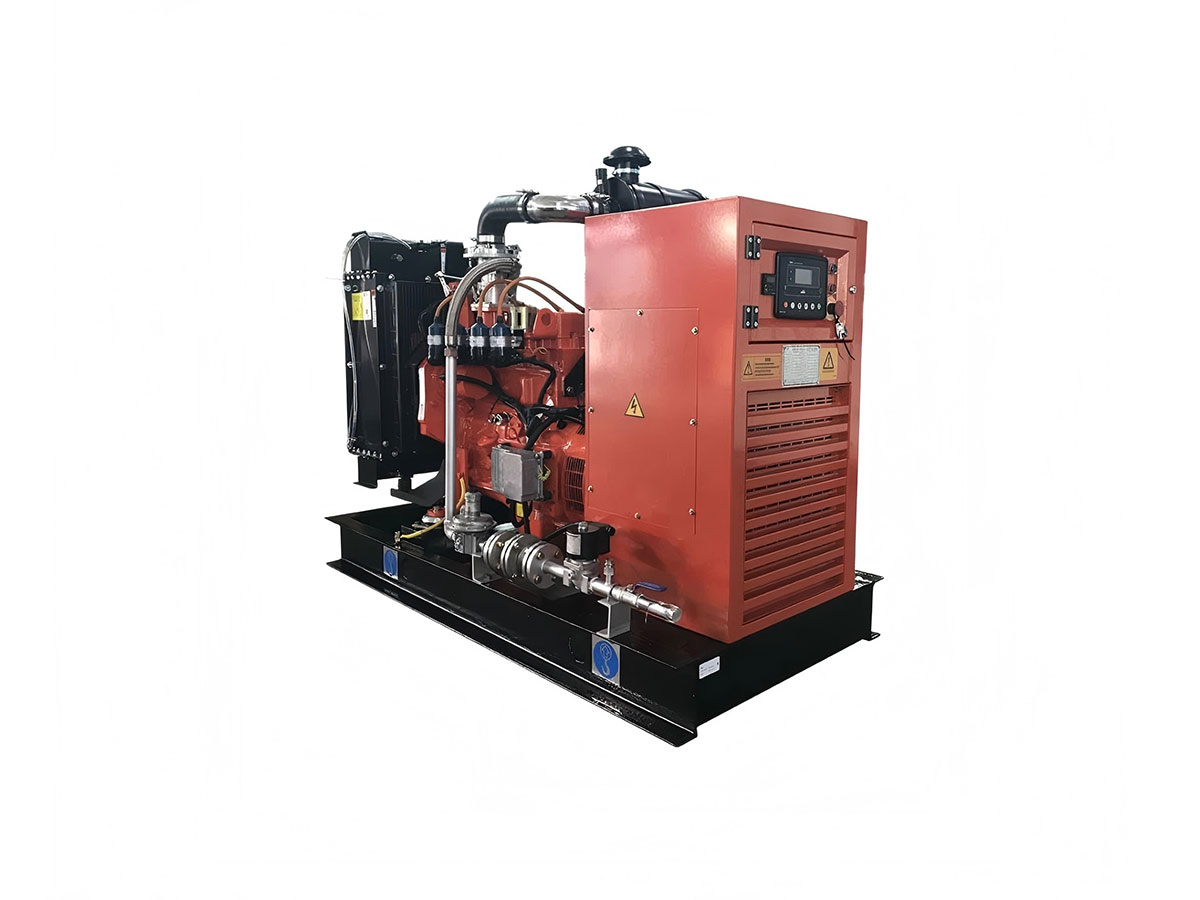
I’ve personally seen this size generator installed in many different environments. The flexibility is one of its biggest strengths.
Light manufacturing factories
Packaging workshops
Small machining plants
Livestock farms
Greenhouse ventilation systems
Biogas recovery systems
Hotels and small commercial buildings
Shopping stores
Office backup systems
Hospitals backup power
Telecommunication stations
Small data centers
In remote locations like oil fields or landfill sites, gas availability makes this generator even more valuable.
From my experience working with generator production lines, quality control is what separates stable machines from unreliable ones.
Each 30 KW Gas Generator goes through multiple stages before delivery:
Engine assembly and calibration
Alternator matching test
Full load testing (0%, 50%, 75%, 100%)
Vibration and noise check
Safety protection testing
| Test Item | Standard | Reference |
|---|---|---|
| Load Stability | ±2% voltage fluctuation | ISO 8528 Generator Standard |
| Noise Level | ≤75 dB at 7m distance | IEC Acoustic Guidelines |
| Emissions | EU Stage IIIA compliance | EU Environmental Standard |
| Continuous Operation | ≥24 hours stable run | Factory endurance test |
All units are tested before shipment, and I’ve personally seen many machines run for 12–24 hours without interruption during factory trials.
One thing customers always ask is delivery safety. For industrial equipment like this, packaging matters a lot.
Each unit is prepared with:
Anti-rust protective film wrapping
Reinforced wooden frame protection
Independent packaging for control system
Waterproof sealing for shipping safety
Shipping methods depend on size:
| Generator Type | Shipping Method |
|---|---|
| Standard unit | Truck transportation |
| Small packaged system | Logistics freight |
| Large containerized system | Sea freight or truck container |
Installation is supported with full technical drawings and wiring diagrams, making on-site setup easier even for local technicians.
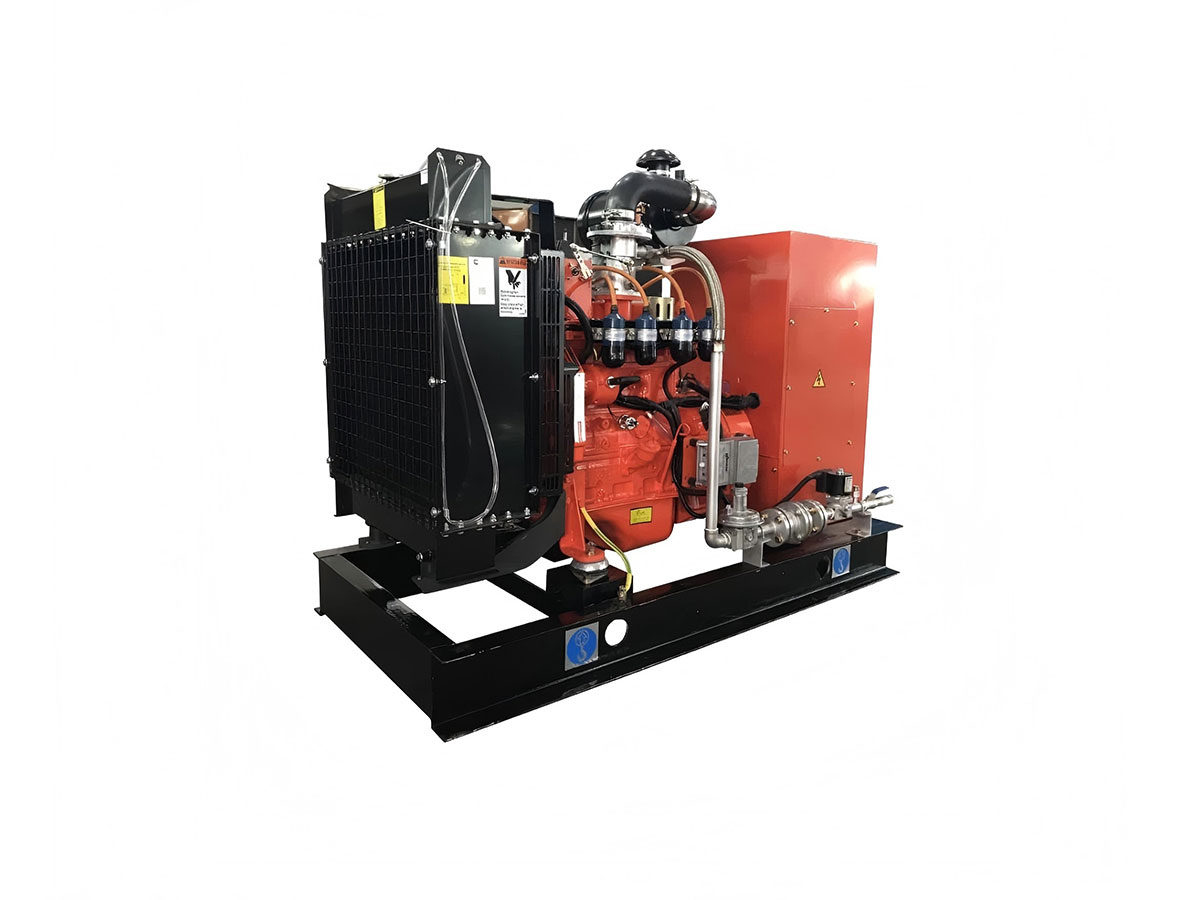
From my point of view, choosing a generator is not only about price. It’s about long-term reliability.
Here’s what makes this system practical:
Stable long-hour operation without overheating
Compatible with multiple gas sources
Lower fuel cost compared to diesel systems
Strong adaptability in harsh environments
Full technical support from design to installation
Camda’s engineering background, especially cooperation with Cummins, GE Jenbacher, and Waukesha gas engines, ensures that the design foundation is already strong and tested globally.
Yes, it can run continuously if properly maintained. In most applications, we recommend periodic inspection every 250–500 hours.
Natural gas, biogas, landfill gas, coal bed methane, and LPG depending on configuration.
Not really. With provided diagrams and ATS system integration, most installations can be completed within a few days.
Standard units take 7–30 days. Custom systems require 30–60 days depending on configuration.
All units are rust-proof wrapped, reinforced with wooden structure, and electrical components are packed separately to avoid damage during shipping.
If I summarize everything from my experience, the 30 KW Gas Generator is not just a machine. It is a reliable energy solution for businesses that cannot afford downtime. It balances cost, efficiency, and environmental performance in a practical way.
Whether it is used in farms, factories, hospitals, or remote industrial sites, it provides steady power where it matters most.
This website uses cookies to ensure you get the best experience on our website.

 Español
 Portugues
 Pусский
 Français
 Deutsch
 한국어
 العربية
 Italiano
 Polski
 ไทย
 Türk dili
 Melayu
 Tiếng Việt
 Magyar
 עִברִית
 فارسی
 українська
 Suomalainen



 Phone